Category overview
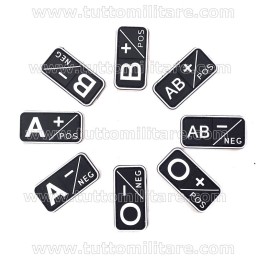
Blood Type is a focused collection for identifying and understanding blood groups, with clear tools and resources that help users learn or confirm their blood group. A simple definition: blood type describes the classification of blood based on antigens on red cells and compatibility markers.
This category is for home users wanting basic testing, healthcare students learning circulation basics, and clinic staff needing reliable screening items. It includes learning aids and straightforward testing options suited to personal, educational, and professional use.
What you’ll find in this category
Items are organized to help you compare methods, read results, and keep records. Find practical, beginner-friendly options alongside materials for small clinics and labs.
- Rapid blood group test kits
- Finger-prick sampling supplies
- Instruction guides and reference charts
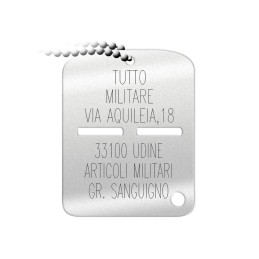
- Labeling and tracking accessories
- Training sets for classrooms or staff practice
How to choose the right product
Start by matching the item to who will use it and where it will be used. Consider ease of use, result clarity, and whether you need single-use or multi-use supplies.
Quick answer: pick a test that fits your setting—simple kits for home, slightly more robust sets for clinics. In most cases, look for clear instructions and visible result indicators to reduce errors.
Key benefits
- Clarity: Easy-to-read results help reduce interpretation mistakes.
- Convenience: Many options are designed for quick sampling and fast outcomes.
- Safety: Single-use items limit contamination and simplify disposal.
- Education: Training sets and charts make it simple to learn blood group basics.
- Compatibility: Products focus on common groups and straightforward matching guidance.
FAQ
Q: What does a blood type test do?
A: It identifies your blood group by detecting antigens and antibodies. Results show common categories used for compatibility.
Q: Can I test at home?
A: Yes, there are home-friendly kits designed for simple sampling. Follow instructions carefully and confirm with a professional if needed.
Q: How fast are results?
A: Many kits give results in minutes. Time depends on the specific method and steps required.
Q: Are tests safe to use?
A: Single-use components and clear disposal steps keep risk low. Use gloves and follow hygiene guidance for sampling.
Q: Do I need training to use a kit?
A: Basic kits are made for beginners, but training sets help build confidence for students or staff learning procedures.
Q: Can results be used medically?
A: Home results are a good indicator, but confirmatory testing in a clinical setting is recommended for medical decisions.
Q: What else should I buy with a kit?
A: Consider sample labels, sharps containers, and reference charts to keep records and maintain safety.
Q: How should I store supplies?
A: Keep items dry and at room temperature, away from direct sunlight. Follow any shelf-life guidance on packaging.
Tip: Use filters to narrow results by use (home, clinic, training) and compare features like ease of use, sample type, and included instructions to find the best match for your needs.