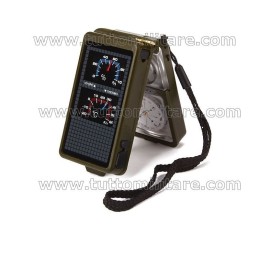
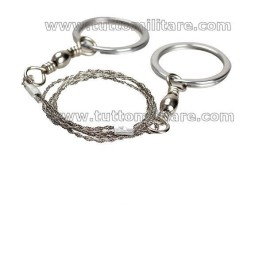
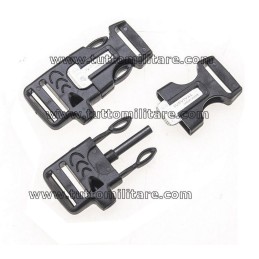
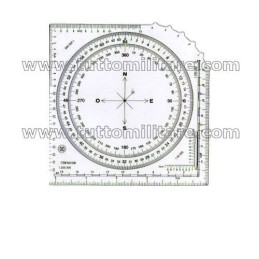
Category overview
Compasses & Survival Gear brings together navigation tools and essential emergency supplies for outdoor trips, urban emergencies, and everyday preparedness. This selection suits hikers, campers, search teams, and anyone who values reliable navigation and basic survival items.
Definition: compasses and survival gear are tools designed to help you find direction and stay safe when help is not immediate. The range includes simple magnetic compasses, multi-use survival kits, fire-starting tools, signaling devices, and compact shelter items.
What you’ll find in this category
Carefully chosen items balance weight, durability, and ease of use so you can prepare for short hikes or longer expeditions.
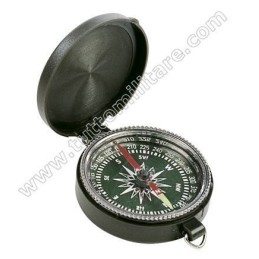
- Magnetic compasses and wrist compasses
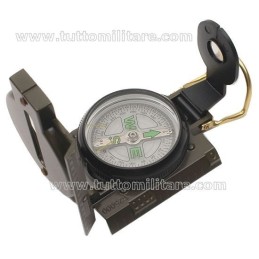
- Map tools and sighting compasses
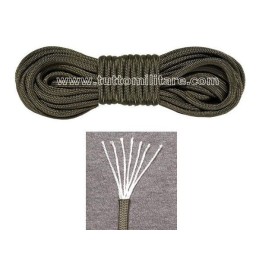
- Compact survival kits and first-aid basics
- Fire starters and waterproof matches
- Emergency blankets and shelter aids
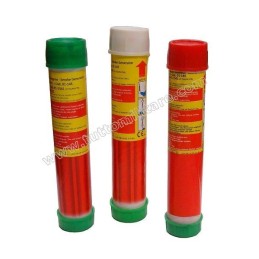
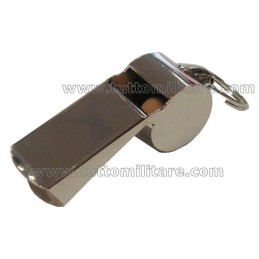
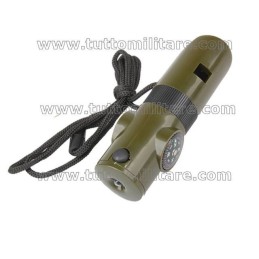
- Signaling mirrors, whistles, and lights
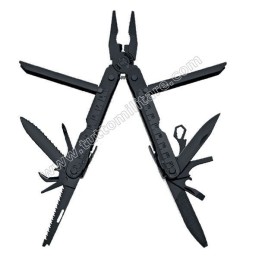
- Multi-tools and small cutting tools
How to choose the right product
Quick answer: pick based on where you go and how much weight you can carry. For day hikes a simple compass and small kit often suffice; for remote travel choose sturdier items and multi-function tools.
In most cases, check size, weight, water resistance, and ease of use. Look for clear markings, reliable materials, and items that match your skill level—beginners benefit from simple, labeled kits while experienced users may prefer modular gear.
Key benefits
- Durability: Built to withstand drops, moisture, and rough handling for dependable performance.
- Accuracy: Clear markings and stable needles help you navigate confidently off-trail.
- Portability: Compact, lightweight designs that fit pockets, packs, or belts.
- Versatility: Multi-use tools and kits cover navigation, signaling, fire, and basic medical needs.
- Safety: Essential items increase your ability to respond to unexpected situations.
- Confidence: Simple, reliable gear reduces stress and helps you make better decisions outdoors.
FAQ
Q: Do I need a compass if I use GPS?
A: Yes. A compass works without batteries or signal and serves as a reliable backup when electronics fail.
Q: What should a basic survival kit include?
A: Small kits typically include a fire starter, whistle, emergency blanket, basic first-aid items, and a compact knife or multi-tool.
Q: How do I maintain a compass?
A: Keep it away from magnets and metal objects, store it dry, and check the needle for smooth movement before trips.
Q: Are emergency blankets reusable?
A: Many are reusable if kept clean and undamaged, but they are inexpensive and often treated as single-season items.
Q: Can signaling mirrors be seen from far away?
A: Yes, a small mirror can reflect sunlight over long distances when used correctly; practice aiming for the target area.
Q: What weight should I expect from a compact kit?
A: Compact kits vary but many weigh under a few hundred grams, making them suitable for daypacks and pockets.
Q: Is a wrist compass accurate?
A: Wrist compasses are good for quick checks and hiking but may be less precise than larger baseplate compasses for detailed navigation.
Q: How do I choose between different fire starters?
A: Consider reliability in wet conditions, ease of use, and size. Ferrocerium rods offer long service life and work well when wet.
Tip: Browse by activity, weight, and feature to find the right items for your trips. Use filters to compare durability, size, and included tools so you can build a kit that fits your needs.